Sec.02 — Services

07 / services

Every hazard has a procedure.

Seven services in three groups: the hazardous materials, the methods to deal with them, and the site work around it. Same crew, same standard, same paperwork at the end.

A — Hazardous materials

03 services
01 / 07Hazmat

Asbestos
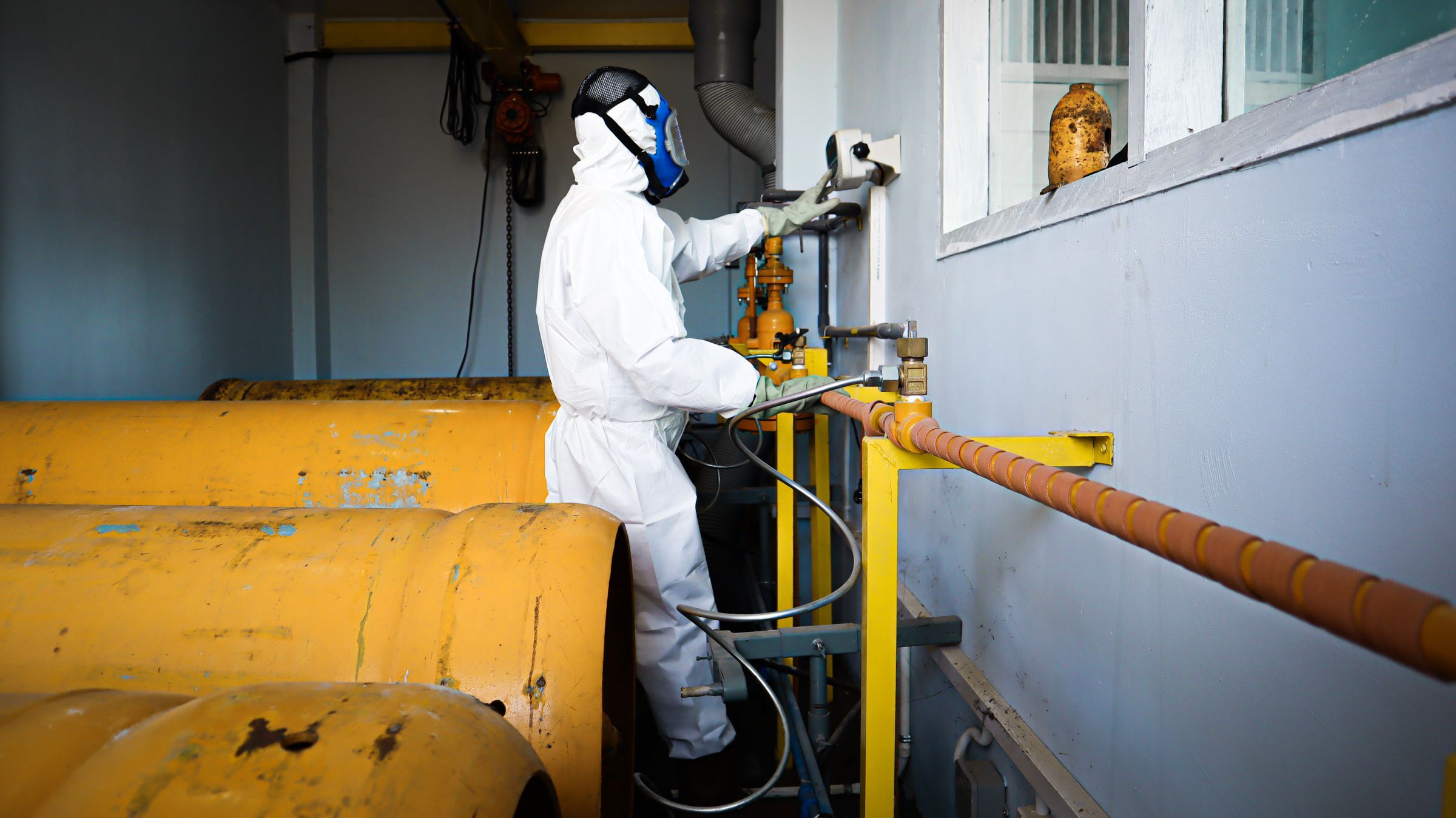
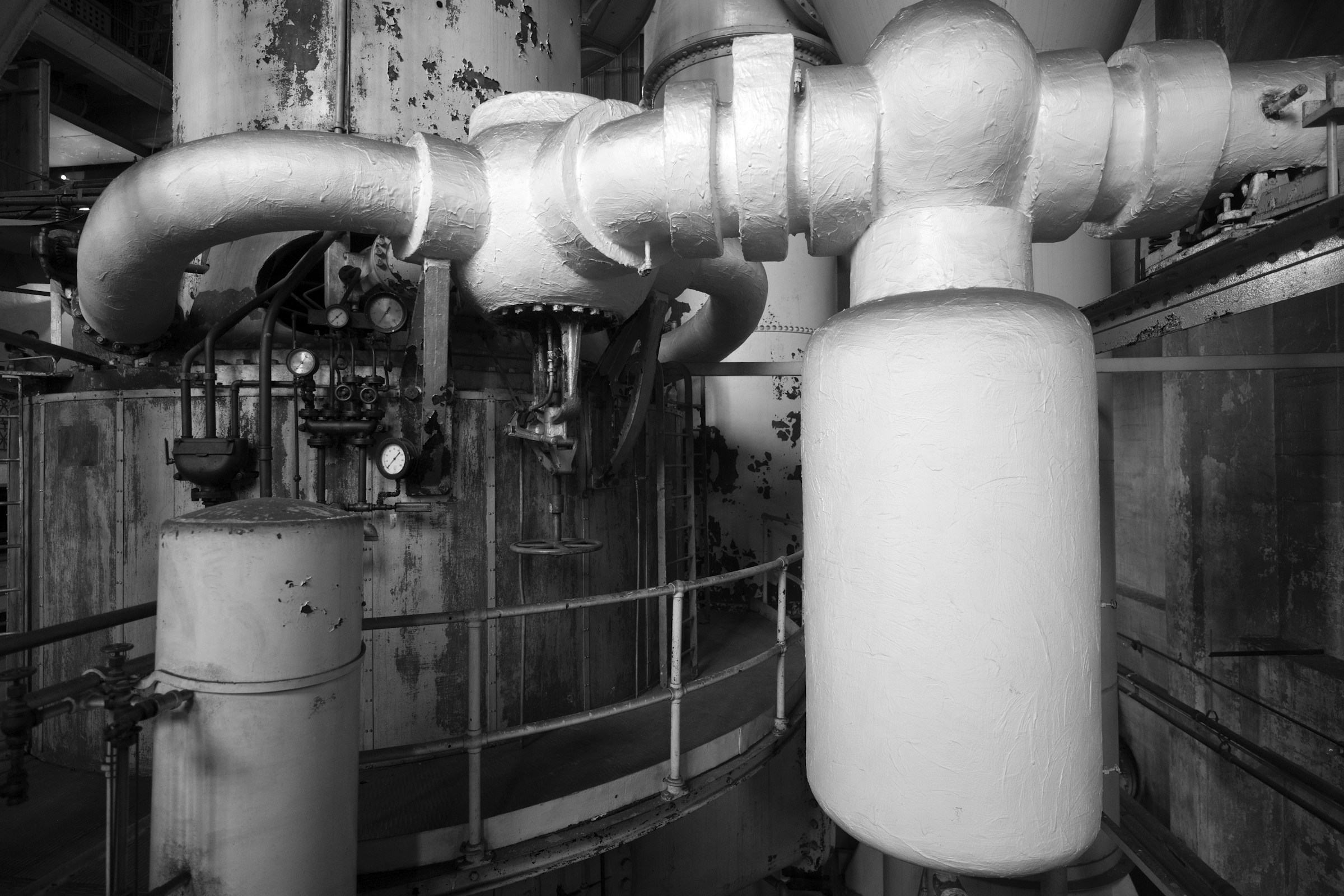
Worker in a white protective suit and full-face respirator working on pipes in a boiler room
Fig.01 — Pipe & boiler room removal

Asbestos is a hazard when it's disturbed. We find out what you have, then remove it inside sealed, negative-pressure containment with HEPA filtration. Waste is packaged, labeled and disposed of per regulation, and the job finishes with air clearance.

Request an asbestos inspection

What's included

  • Inspection and sampling coordination
  • Negative-pressure containment with HEPA filtration
  • Wet removal methods
  • Packaging, labeling and manifested disposal
  • Final cleaning and air clearance

Typical applications

  • Pipe and boiler insulation
  • Floor tile and mastic
  • Ceiling materials
  • Siding and roofing
  • Duct wrap and old insulation
02 / 07Hazmat

Lead

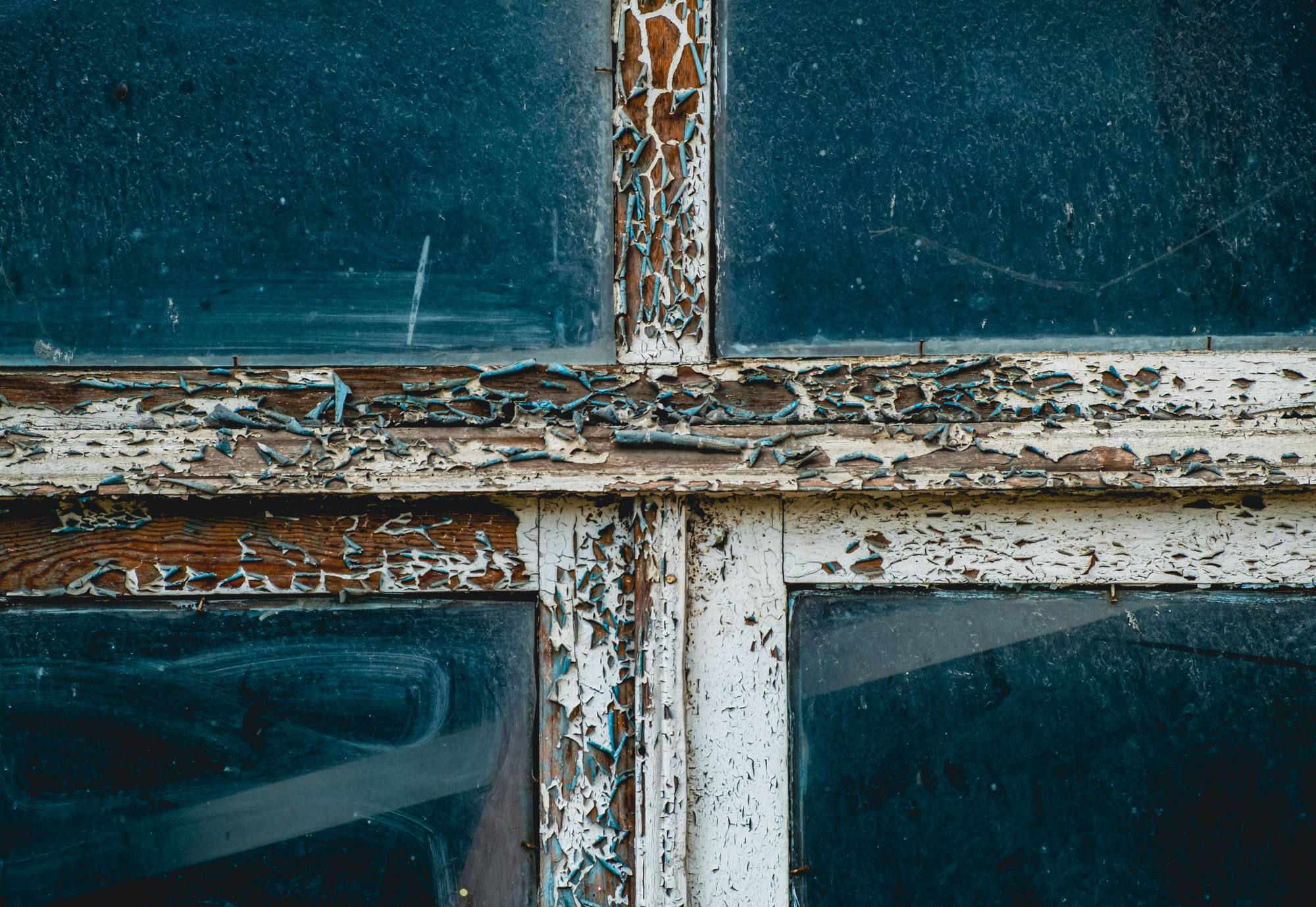
Old window frame with cracked, peeling paint
Fig.02 — Deteriorated paint on original trim

Lead paint is most dangerous as dust. We stabilize or remove it with dust-controlled methods and lead-safe work practices for buildings from before 1978, then clean and clearance-test before anyone moves back in.

Request a lead assessment

What's included

  • Inspection and risk-assessment support
  • Paint stabilization and component removal
  • Dust control with HEPA vacuums
  • Lead-safe work practices
  • Cleaning and clearance testing

Typical applications

  • Homes built before 1978
  • Windows, doors and trim
  • Schools and daycares
  • Commercial interiors
  • Pre-renovation prep
03 / 07Hazmat

Mold

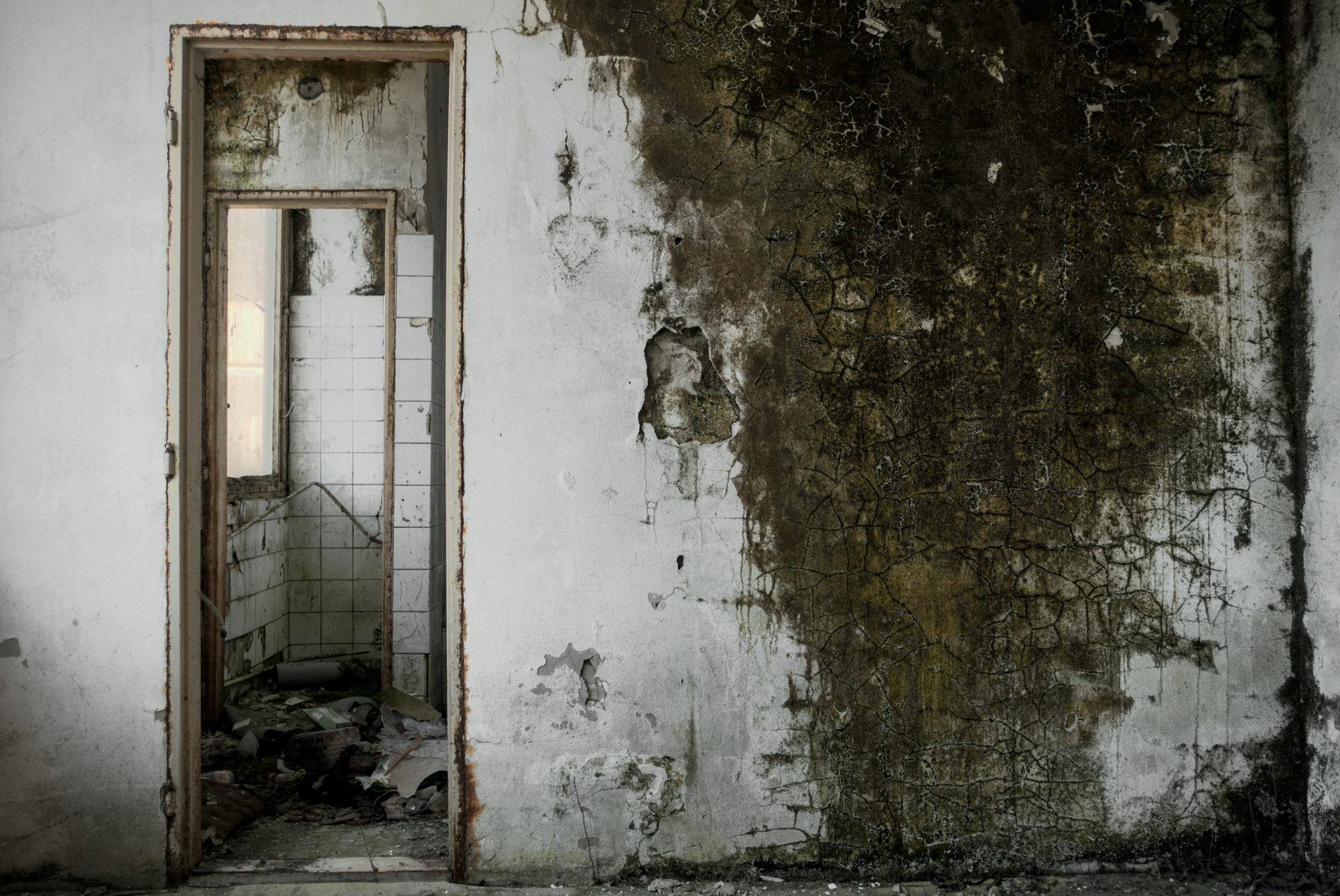
Dark mold spreading across a cracked plaster wall
Fig.03 — Mold growth from a long-term leak

Mold comes back if the water does. We find the moisture source first, then contain the area, remove what can't be cleaned, HEPA-clean and treat surfaces, and verify the result, so you know it's actually gone.

Request a mold assessment

What's included

  • Moisture source investigation
  • Containment and negative air
  • Removal of contaminated materials
  • HEPA cleaning and surface treatment
  • Post-remediation verification

Typical applications

  • Basements and crawl spaces
  • Bathrooms and kitchens
  • After leaks and flooding
  • Around HVAC and ductwork
  • Attics and roof leaks

B — Methods

02 services
04 / 07Method

Abatement

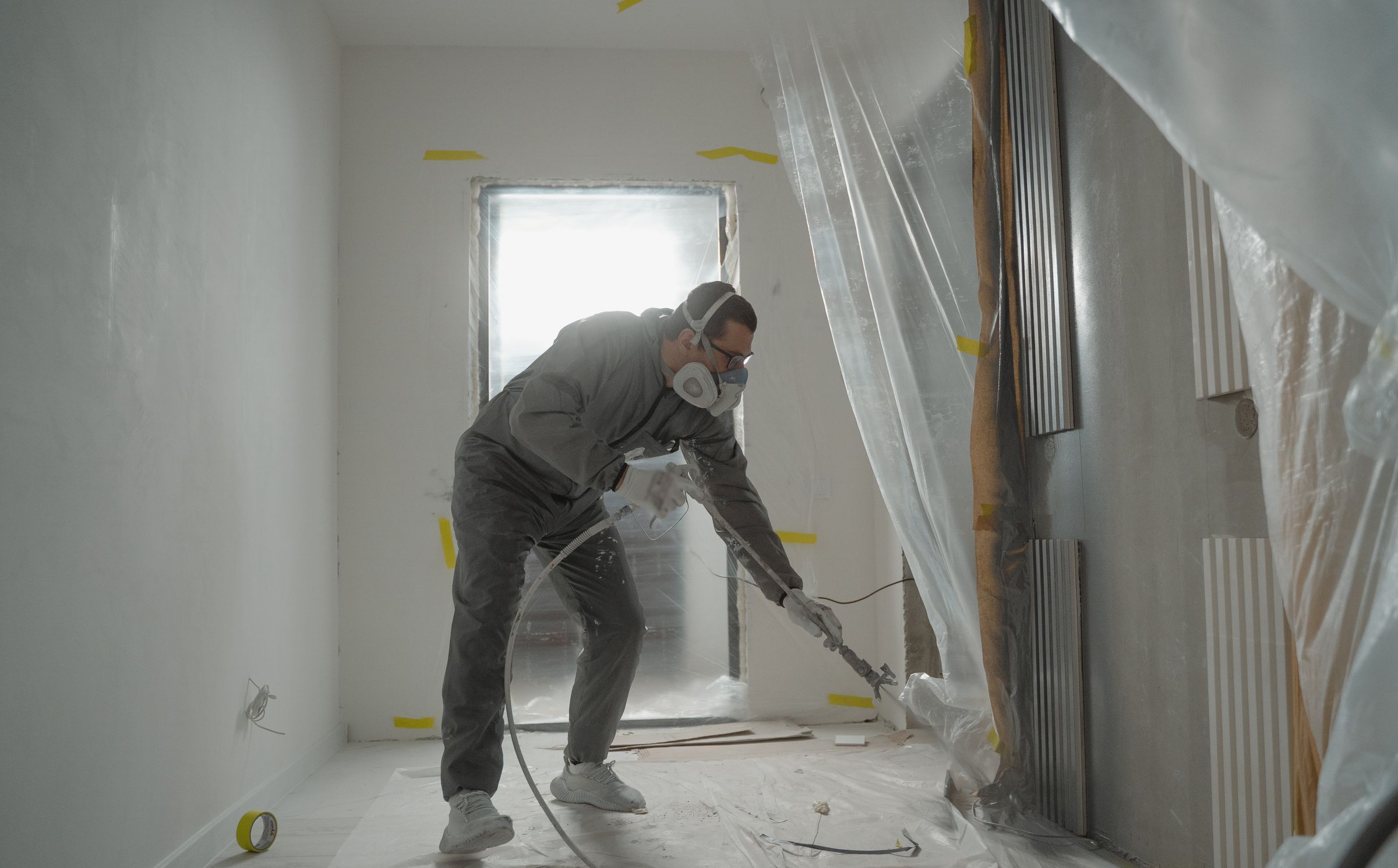
Room sealed with plastic sheeting on walls and floor while a worker in a respirator sprays
Fig.04 — Poly-sheeted work area

Removal, encapsulation or enclosure of hazardous building materials ahead of renovation, sale or demolition. We recommend the right method for the building, then plan it around your schedule and the people in it.

Plan an abatement project

What's included

  • Removal, encapsulation or enclosure
  • Method recommendation and written scope
  • Scheduling around occupants and trades
  • Required notifications
  • Closeout documentation

Typical applications

  • Before renovation
  • Before a sale or purchase
  • Before demolition
  • Occupied buildings, in phases
  • Insurance and lender requirements
05 / 07Method

Remediation

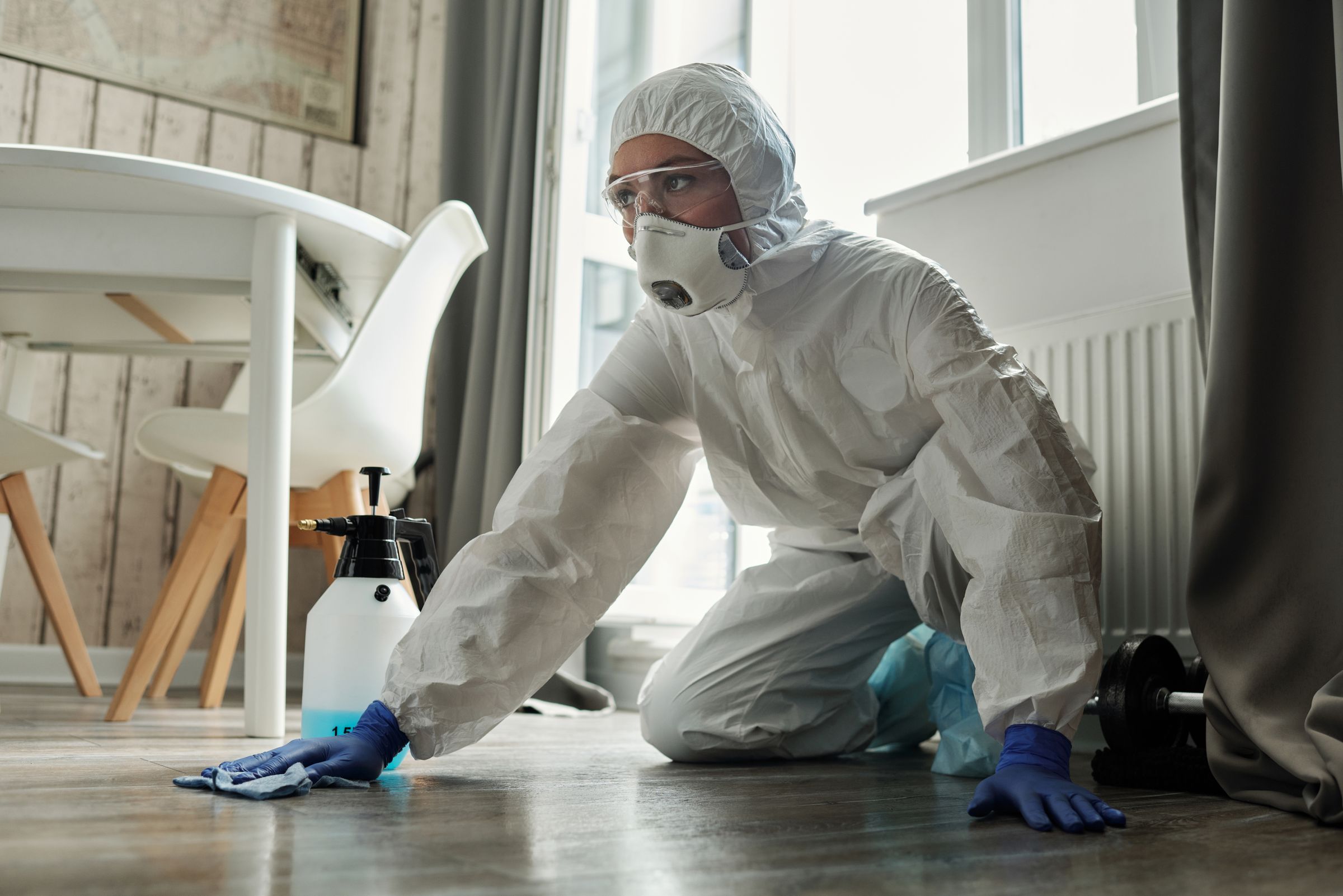
Worker in a white coverall, mask and goggles cleaning a floor
Fig.05 — Decontamination and fine cleaning

Returning a contaminated space to a safe, documented condition: decontamination, cleanup and a restoration-ready handoff, so the next crew can start without wondering what's left behind.

Talk to us about remediation

What's included

  • Decontamination and cleanup
  • HEPA air scrubbing
  • Surface and contents cleaning
  • Waste removal
  • Documented, restoration-ready handoff

Typical applications

  • Post-abatement cleanup
  • Water and fire damaged areas
  • Contaminated mechanical rooms
  • Vacant properties
  • Tenant turnover

C — Site services

02 services
06 / 07Site

Power Washing

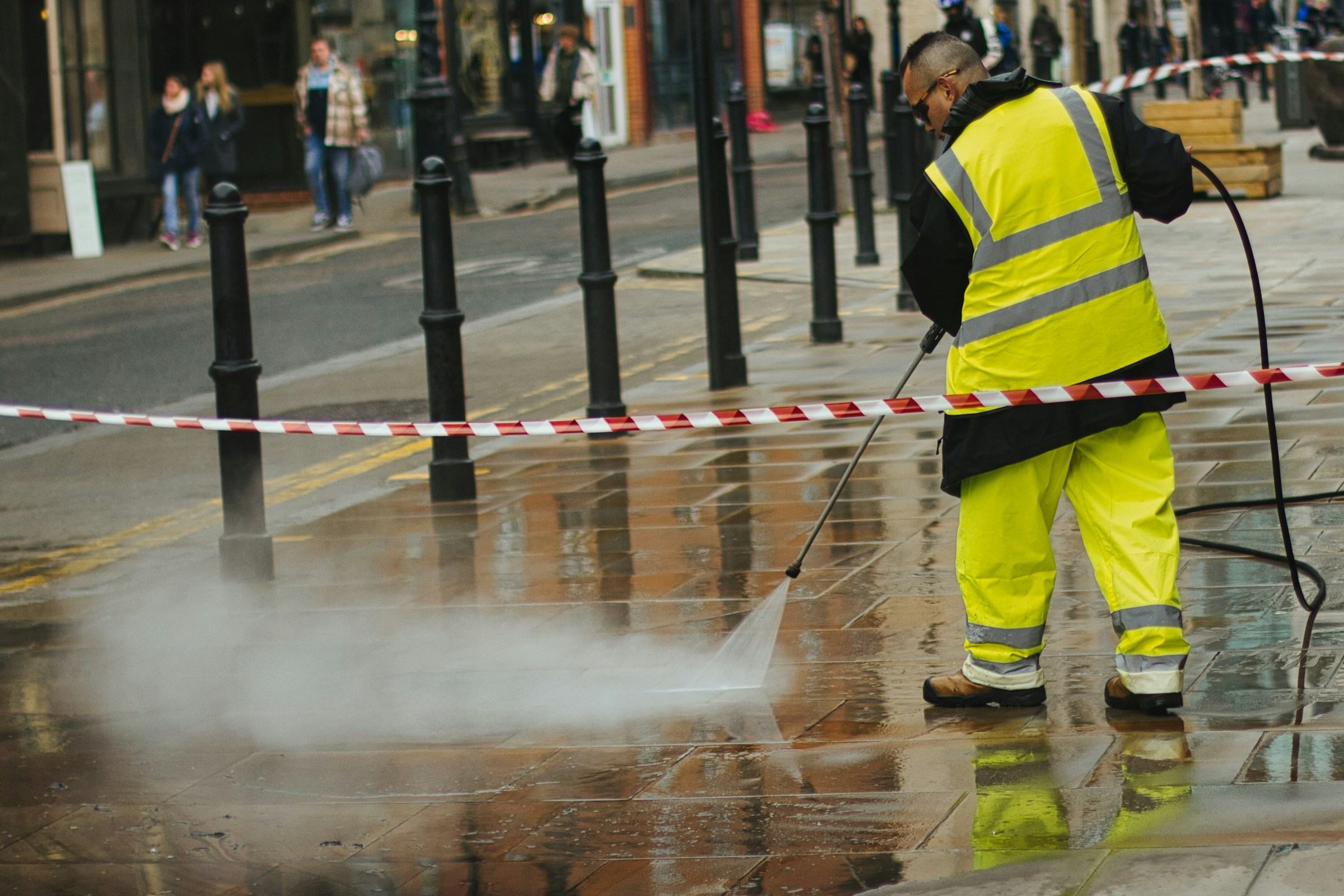
Worker in a hi-vis vest pressure washing paving
Fig.06 — Flatwork pressure washing

Commercial and residential exterior cleaning, with the same discipline we bring inside. Pressure where the surface can take it, soft-wash where it can't.

Get a power washing quote

What's included

  • Pressure washing for hard surfaces
  • Soft-wash for delicate surfaces
  • Surface cleaners for flatwork
  • Gum, stain and grime treatment
  • Post-construction cleanup

Typical applications

  • Building facades
  • Concrete, driveways and sidewalks
  • Parking areas
  • Dumpster pads
  • Storefronts and entryways
07 / 07Site

Demolition

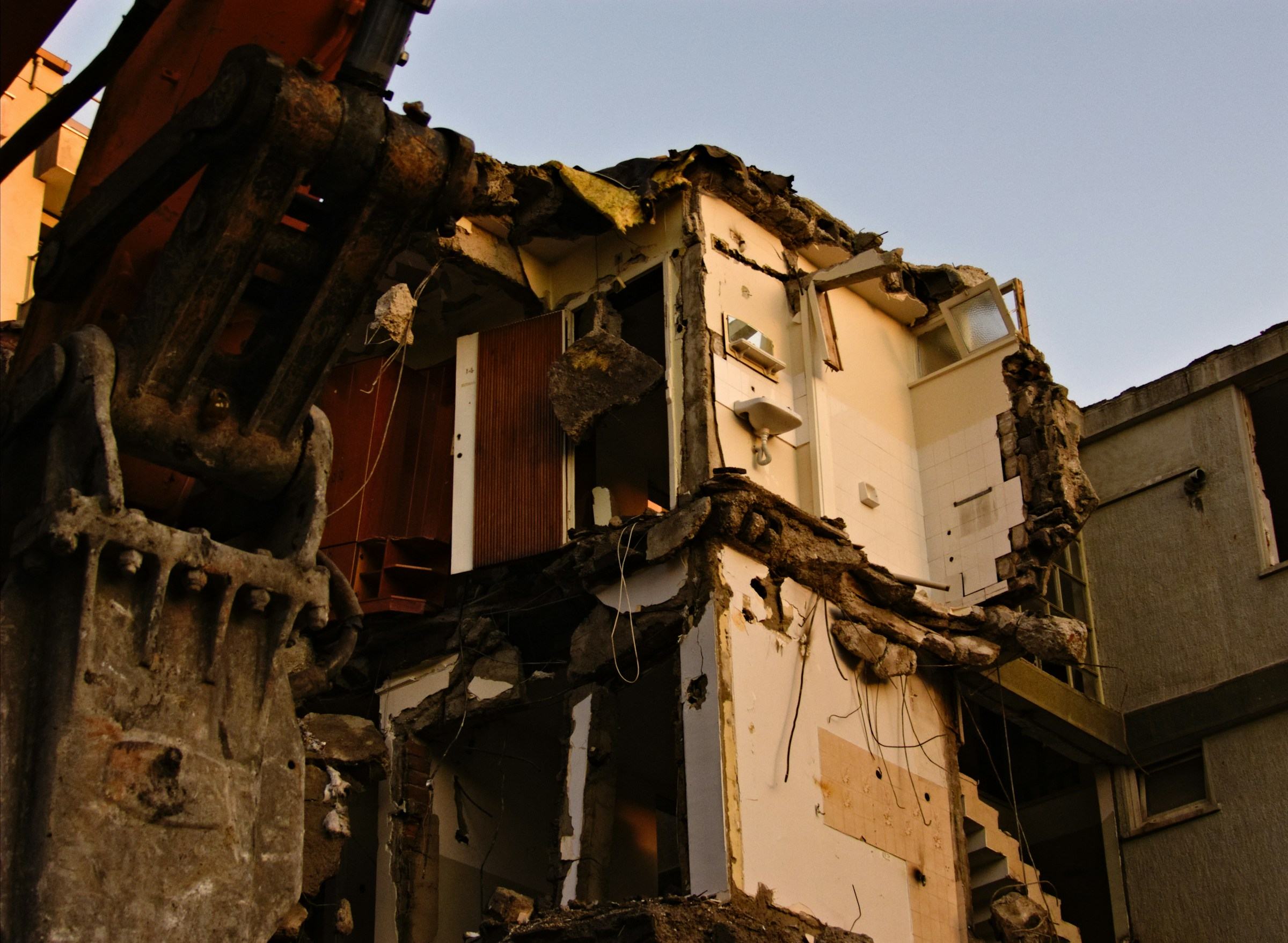
Excavator arm tearing into a multi-storey building, exposing interior rooms
Fig.07 — Structure comes down after hazmat is cleared

Selective interior demolition, strip-outs and debris removal. Because hazardous materials are handled in-house first, demo starts clean and stays compliant, with no waiting on a separate abatement contractor.

Scope a demolition job

What's included

  • Hazmat survey and abatement first
  • Selective interior demolition
  • Strip-outs to studs or structure
  • Debris removal and hauling
  • Broom-clean handoff

Typical applications

  • Renovation prep
  • Tenant fit-outs
  • Fire and water damaged interiors
  • Equipment and mechanical removal
  • Pre-demolition work for GCs

08 / 10

Sec.08 — Clients

Who we
work for.

From one family's basement to an occupied hospital floor, the procedure doesn't change. Only the schedule does.

  • C.01Homeowners
  • C.02Property managers
  • C.03General contractors
  • C.04Schools
  • C.05Healthcare
  • C.06Commercial & industrial

09 / 10

Sec.09 — Procedure

How every job runs.

  1. 01

    Assess

    Site visit, identify materials and scope.

  2. 02

    Plan

    Written scope, schedule, notifications and permits.

  3. 03

    Contain

    Isolate the area, negative air, protect occupants.

  4. 04

    Remove

    Abate or remediate with trained crews and HEPA equipment.

  5. 05

    Clear

    Final cleaning and air clearance or verification.

  6. 06

    Document

    Disposal records and closeout paperwork.

10 / 10

Sec.10 — FAQ

Common
questions.

Not covered here? Call the office and ask. A straight answer costs nothing.

(555) 555-0182
Q.01I think I found asbestos. What should I do?

Don't disturb it: no sanding, cutting, drilling or sweeping. Keep people out of the area and call us. Most suspect materials are only a hazard once they're damaged, so leaving them alone is the safest first step.

Q.02Do you test, or only remove?

We coordinate inspection and sampling with licensed inspectors and labs, then handle the abatement. Where clearance air monitoring is required, it's done independently, so the results are impartial.

Q.03Can we stay in the building during the work?

Often, yes. Containment and negative air keep the work area sealed off from the rest of the building. If a space needs to be vacated, we'll tell you up front and plan the schedule around the people in it.

Q.04How long does a typical job take?

A small residential removal can take a day or two. Larger commercial projects are scheduled in phases. Your written scope includes the timeline, including any required notification periods before work can start.

Q.05What paperwork do I get at the end?

Air clearance or verification results, waste disposal records and a closeout summary. Keep them for your records, a buyer, an insurer or the building department.

Next step

Get it scoped.
In writing.

Tell us what you found and where. We'll visit, assess it, and give you a written scope and schedule.